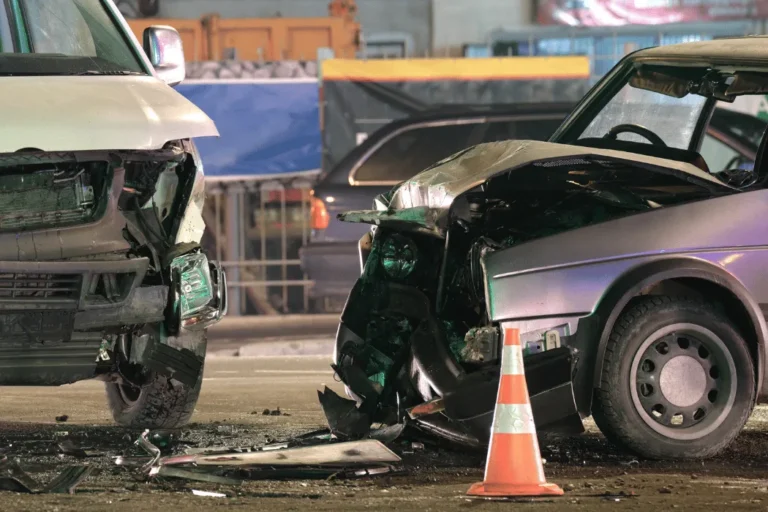
Car accidents continue to be a major concern worldwide, leading to serious injuries, financial losses, and, in severe cases, loss of life. While some accidents are unavoidable due to unforeseen circumstances, a significant number occur because of preventable factors. Understanding these common causes and taking proactive steps to avoid them can make a substantial difference in ensuring road safety. At REPL Car Accident Lawyers, we emphasize the importance of awareness, responsibility, and informed decision-making to reduce accident risks and protect lives.
Distracted Driving
Distracted driving is one of the leading causes of car accidents in modern times. With the increasing use of smartphones and in-car technologies, drivers often divert their attention from the road. Activities such as texting, making calls, eating, or even adjusting music systems can lead to momentary lapses in concentration. These few seconds of distraction can have devastating consequences. To avoid this, drivers should keep their focus entirely on driving. Using hands-free devices, setting navigation systems before starting the journey, and avoiding unnecessary multitasking can significantly reduce risks.
Speeding
Speeding is another major contributor to road accidents. Driving above the speed limit or too fast for road conditions reduces the driver’s ability to react quickly to unexpected situations. It also increases the impact of collisions, leading to more severe injuries and damages. To prevent accidents caused by speeding, it is essential to follow posted speed limits and adjust speed according to traffic, weather, and road conditions. Maintaining a safe and controlled speed gives drivers more time to react and ensures better vehicle control.
Driving Under the Influence
Driving under the influence of alcohol or drugs remains a critical issue. Impaired driving affects judgment, coordination, and reaction time, making it extremely dangerous. Such accidents often result in severe consequences for both the driver and others on the road. The best way to avoid this risk is to never drive after consuming alcohol or drugs. Opting for alternative transportation, such as taxis or ride-sharing services, or assigning a designated driver can help prevent tragic outcomes.
Reckless and Aggressive Driving
Reckless and aggressive driving behaviors significantly increase the likelihood of accidents. Actions such as tailgating, sudden lane changes, ignoring traffic signals, and road rage create unsafe conditions for everyone. Aggressive drivers often make impulsive decisions that can lead to collisions. To avoid such situations, drivers should practice patience, remain calm, and follow traffic rules strictly. Maintaining a safe distance from other vehicles and avoiding confrontations on the road are key aspects of responsible driving.
Poor Weather Conditions
Adverse weather conditions, including rain, fog, snow, and storms, can make driving more challenging and hazardous. Reduced visibility and slippery roads increase the chances of accidents if drivers do not adapt their driving behavior. To stay safe, drivers should slow down, use headlights appropriately, and maintain a greater distance from other vehicles. Ensuring that the vehicle is equipped with proper tires and functioning wipers is also essential for handling difficult weather conditions.
Ignoring Traffic Signals
Disregarding traffic signals and road signs is a dangerous habit that often leads to serious accidents, especially at intersections. Running red lights or failing to stop at stop signs can result in high-impact collisions. Drivers should always obey traffic signals and remain cautious, even when they have the right of way. Defensive driving, which involves anticipating potential mistakes by other drivers, can further reduce the risk of accidents.
Driver Fatigue
Fatigue is an often underestimated cause of accidents. Driving while tired can impair judgment and slow reaction time, similar to the effects of alcohol. In extreme cases, it can lead to drivers falling asleep at the wheel. To avoid fatigue-related accidents, it is important to get adequate rest before driving, especially on long trips. Taking regular breaks and staying hydrated can also help maintain alertness during extended journeys.
Mechanical Failures
Vehicle malfunctions, such as brake failure, tire blowouts, or engine issues, can lead to unexpected and dangerous situations on the road. Many of these issues arise due to poor maintenance. Regular vehicle inspections and timely servicing are crucial to ensure that all components are functioning properly. Checking brakes, tires, lights, and fluid levels can help prevent accidents caused by mechanical failures.
Inexperienced Drivers
Inexperience is another factor that contributes to car accidents. New drivers may lack the skills and confidence needed to handle complex traffic situations, leading to errors in judgment. Proper training and supervised driving practice are essential for developing safe driving habits. Enrolling in defensive driving courses can also help inexperienced drivers gain confidence and improve their ability to respond to challenging situations.
Tailgating
Tailgating, or following another vehicle too closely, is a common cause of rear-end collisions. When drivers do not maintain a safe distance, they have less time to react if the vehicle ahead stops suddenly. To avoid this, drivers should maintain a safe following distance, typically a minimum of three seconds. This distance should be increased in heavy traffic or adverse weather conditions to ensure adequate reaction time.

The Role of Defensive Driving
Defensive driving is one of the most effective strategies for preventing accidents. It involves staying alert, anticipating potential hazards, and being prepared to take corrective actions. Defensive drivers are aware of their surroundings and make conscious efforts to avoid risky situations. Simple practices such as wearing seat belts, using indicators, checking mirrors frequently, and staying within speed limits contribute to safer driving.
Conclusion
Car accidents can have serious physical, emotional, and financial consequences, but many are preventable with responsible behavior and awareness. By understanding common causes such as distracted driving, speeding, impaired driving, and fatigue, individuals can take proactive steps to enhance road safety. At REPL Car Accident Lawyers, we are committed to supporting accident victims while also promoting safe driving practices. By adopting careful and defensive driving habits, individuals can protect themselves, reduce the likelihood of accidents, and contribute to a safer environment for everyone on the road.
About the Author